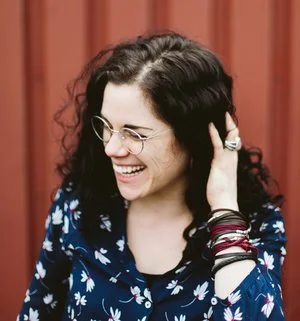
Creating for FRIDA
How to approach the recording of an album about grief for the loss of your own daughter? Miriam Moczko sought and found the answers - and I’m so proud to have been able to work together with her producing the album FRIDA, which is out since May 20, Frida’s birthday.
More and more thought, ideas and creativity goes into the processes I enter into with the artists I work with. The making of FRIDA, an album by Miriam Moczko, has set the bar for me. The way we designed the production process of the music, has added incredible value to the artwork that is the recording, and I believe plays a paramount part in the songs as they are.
What we have put in, the way we worked, has become part of the recorded songs. It goes beyond the choices for the instruments and sounds. It is also about the space we created for vulnerability, and how we never pushed things. How in the middle of the process my father was dying and the work-environment Miriam and I had created between us, allowed for recording anyway. Miriam suggested a short phrase I could say if things became too intense. I didn’t have to use it, but knowing she could catch me, and would do so, gave me the strength I needed. I choose to believe that’s in the recording too (listen closely to the cello parts played by Maya Fridman - those were recorded that day).
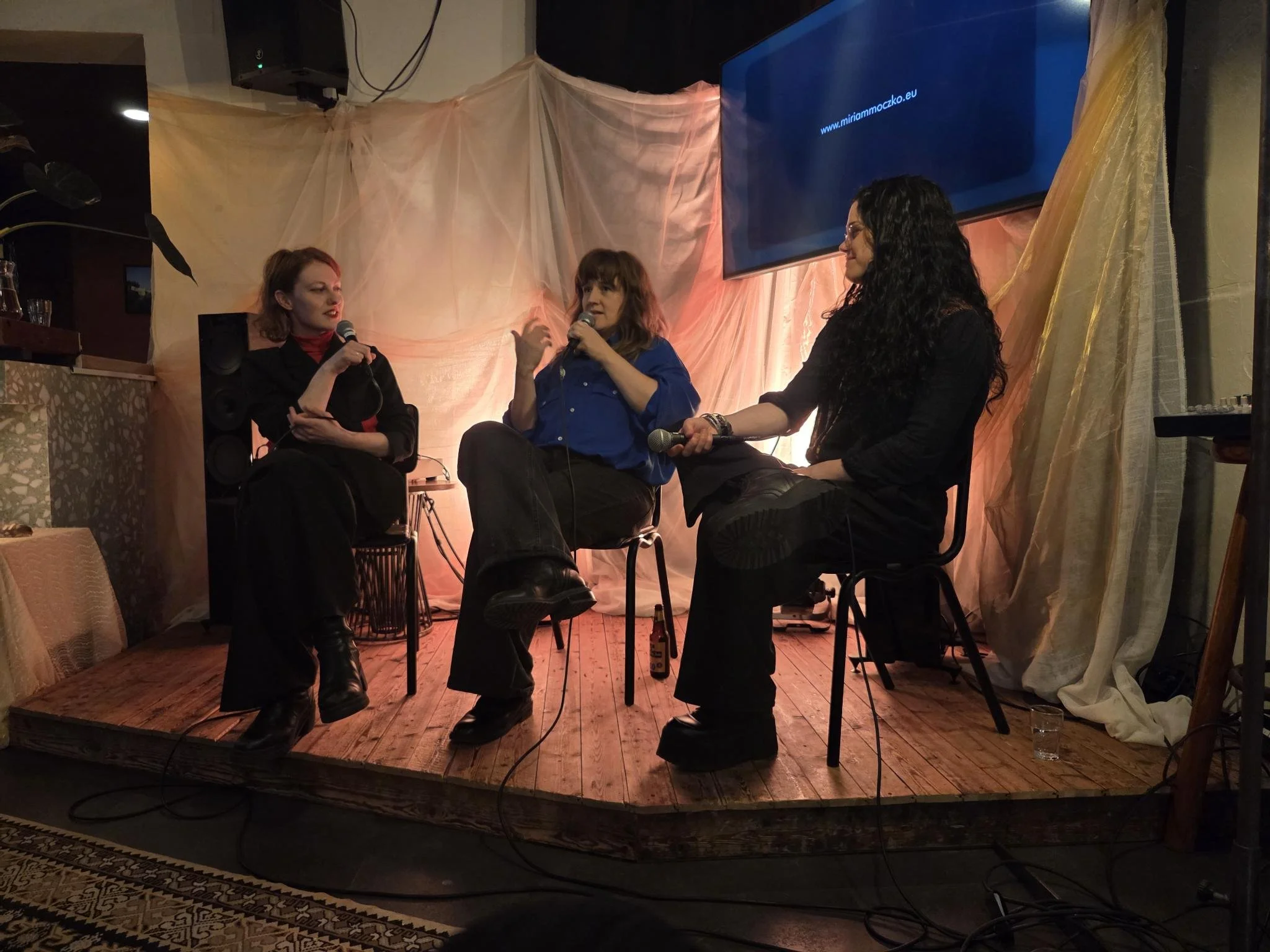
The talk at De Basis in Nijmegen. From left to right: Imke Loeffen, Miriam Moczko, me
You can listen to the other things we did in a talk we gave during one of the listening sessions Miriam organized. It’s in Dutch, and available here on Spotify for those of you that still use it. If you’d like to boycot Spotify (cheers to you) you can listen here on SoundCloud.
One of the beautiful reactions from the audience at the end of the talk was from Tessa Douwstra. She is an artist herself, and told us that our collaboration made her feel very hopeful: “I’ve been lucky not to have experienced something as hard as you. But even though I don’t know loss (yet), I am inspired by the beauty of you having turned this into an artwork, and that you’re able to talk about it. I find consolation in the thought that if something were to happen to me that I can’t imagine surviving, then maybe I could survive it by doing something like what you do. That’s what I find so inspiring about it.”
We have a great lack of rituals and dealings with loss as a culture. Not only with loss, but with all of the big transitions in life. Artists and their stories of transition hold the keys to inspire people to find ways to navigate the raw edges of being human. Processing the human experience through an artwork, whether you are making it or engaging with it, holds keys to doors of healing and being that no rational process can facilitate.
There is so much more I would like to share with artists and makers and listereners of the makings about this process - and hopefully inspire others to create their way through crises - and share this in a meaningful way. Both the creation process, and the results.